The Talos Creators: R. Paul Sardanas

R. Paul Sardanas was born on March 22, 1958, in Framingham, Massachusetts. From 1972 to 1981, his family became homeless, and he lived with his parents, siblings, and a variety of loyal and loving animals in tents, abandoned houses, and on the road in a converted Greyhound bus. He is an author, poet, painter, photographer, has acted in online Shakespeare productions of Othello and Hamlet, is a printer, publisher, bookbinder and anthologist.

He has been nominated 10 times for the Rhysling Award, which recognizes the best speculative poetry of the year. In addition to hundreds of poems published in print and online venues, his books include:

The Day of Black Sunlight (Doc Savage pastiche) 1986

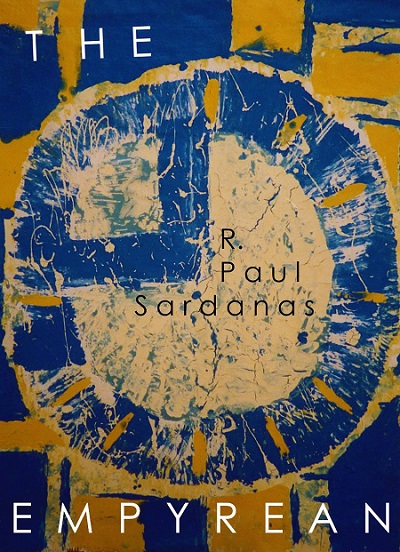
The Empyrean (five volume poetry cycle, illustrated by his own oil paintings) 1996-2004

The Chaotica (three volume poetry cycle, illustrated by his own photography) 2005-2006

Canons of Atheist Gods (poetry collection, illustrations by Marge Simon) 2007

Mythology (illustrated poetry book of classical mythology, with David Cuccia) 2008

Legends of the Fallen Sky (speculative poetry, with Marge Simon) 2008

The City of a Thousand Gods (fantasy short stories, with Marge Simon) 2009

Ferrum (the life of a common man in ancient Rome, with David Cuccia) 2009

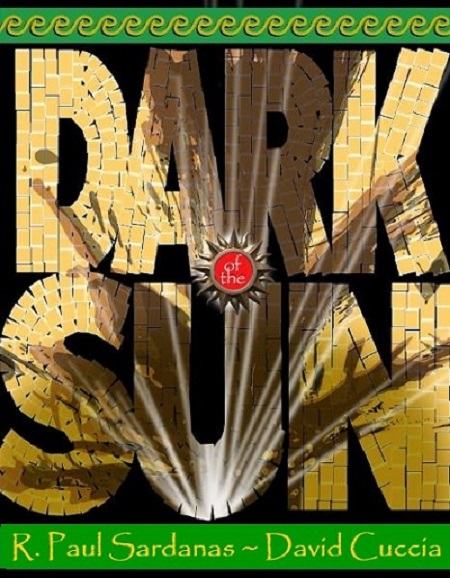
Dark of the Sun (historical poetry on the destruction of Pompeii, with David Cuccia) 2010

The Festival of Seven Nights’ Passion (historical novel) 2010

Touch in the Bed of Light (erotic poetry) 2010

The Order of the Golden Rose (erotic thriller) 2010

The Blood Jaguar (erotic thriller) 2011

The Satomi Chronicle (historical novel by Hitomi Y, translation assistance and collaboration by RPS) 2011

Torera (historical erotica, with Tisha Garcia) 2011

Othello Falling (two-person play, performed with Jaeda DeWalt) 2011

Eros, the Divinity of Passion (erotic poetry, with HM Samarel) 2011

Hamlet: Poem Unlimited (six-person play) 2012

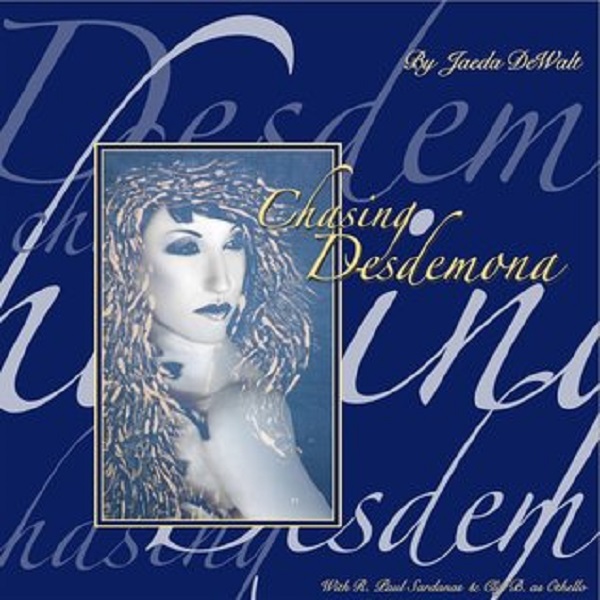
Chasing Desdemona (by Jaeda DeWalt, art collab and foreword by RPS) 2012

Beneath an Elegant Moon (historical erotica, with Tisha Garcia) 2012

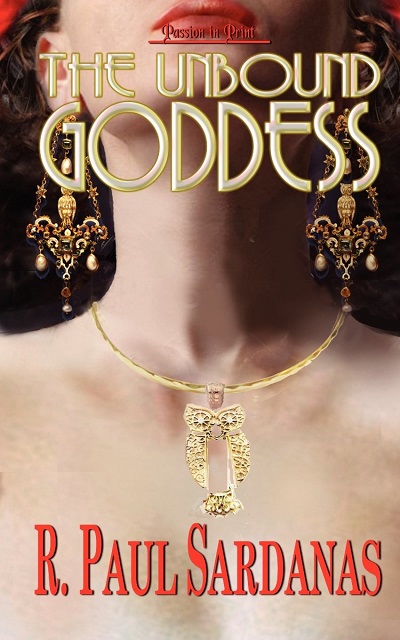
The Unbound Goddess (erotic thriller) 2012

The Doc Talos Chronicle (six volume erotic/adventure/pulp, with Iason Ragnar Bellerophon) 2015-2021

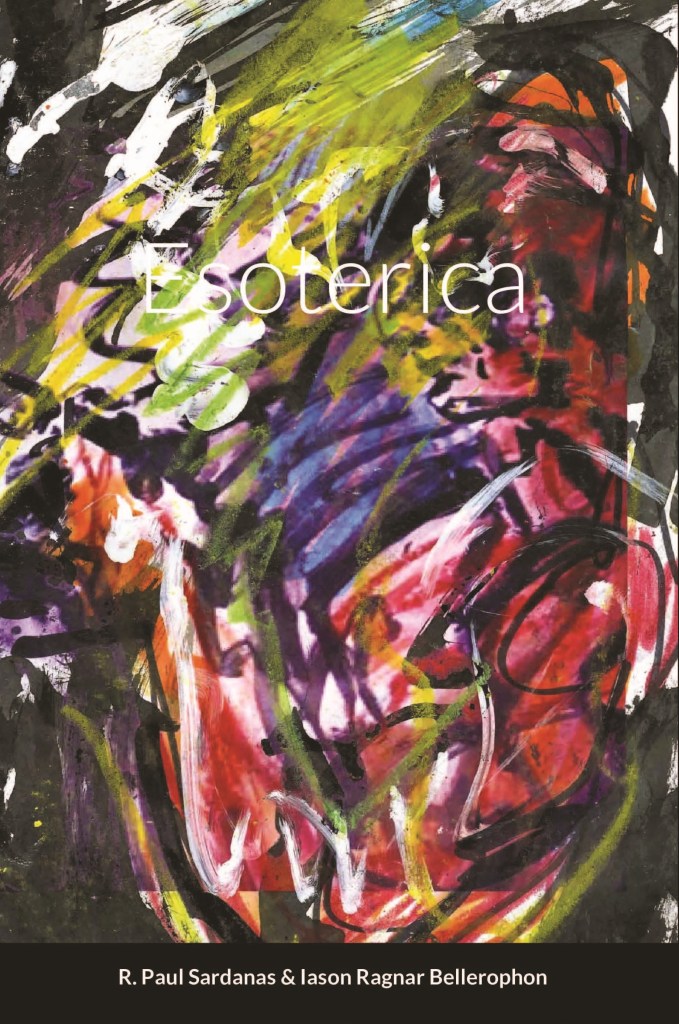
Esoterica (Doc Talos short stories, artwork, photos, with Iason Ragnar Bellerophon) 2021

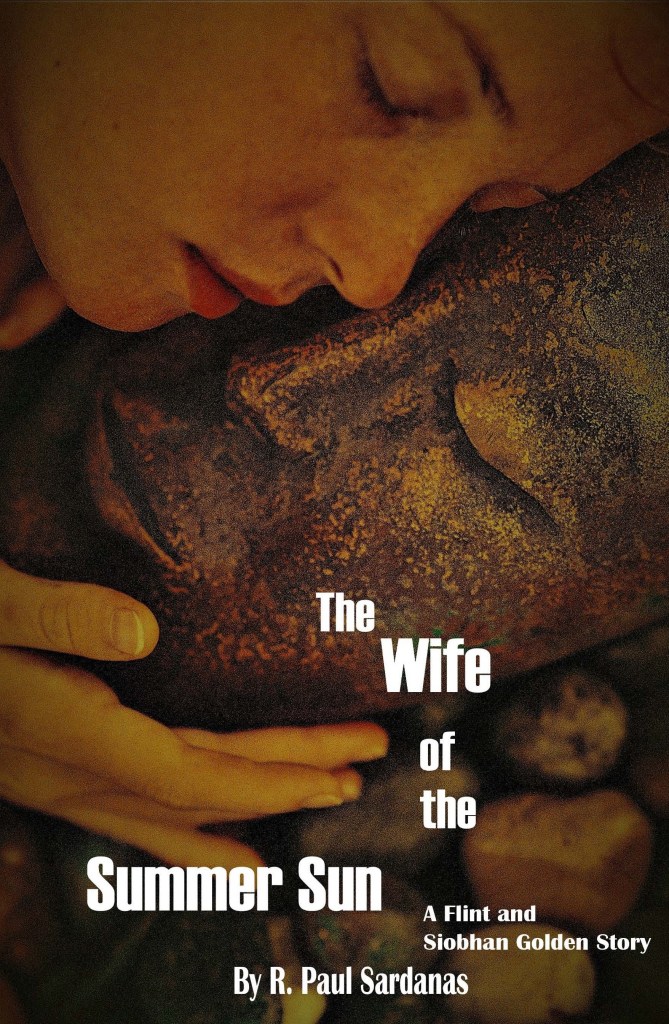
The Wife of the Summer Sun (poetic pulp adventure) 2021

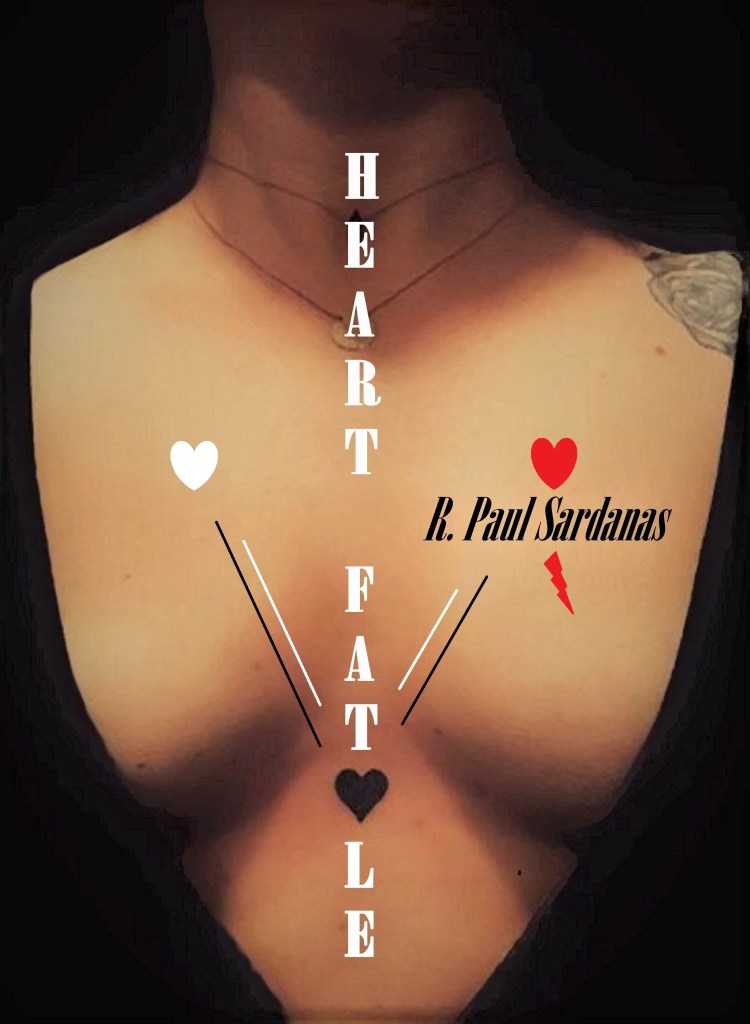
Heart Fatale (psychological pulp adventure) 2022

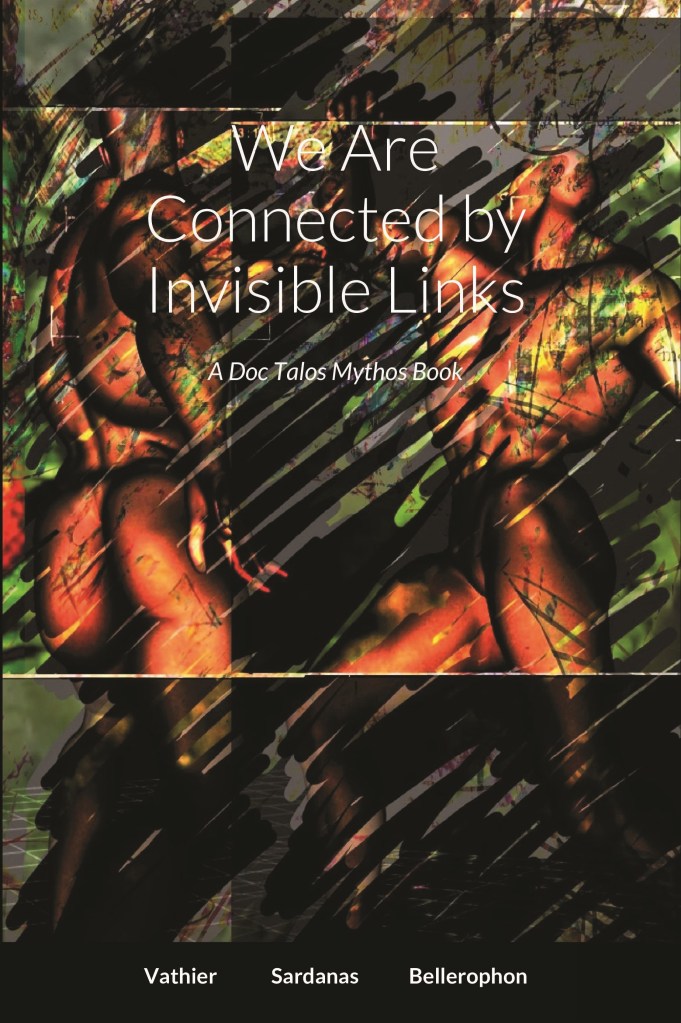
We Are Connected by Invisible Links (Doc Talos Mythos novella, with Andre Vathier and Iason Ragnar Bellerophon) 2022

Rickie (Doc Talos character anthology, with Atom Mudman Bezecny, D.B. Brodie, Joe S. Stuart and Andre Vathier) 2022

Wolves (Doc Talos novel, with Iason Ragnar Bellerophon) 2022

The Talos Chronicle Omnibus (collection of six Doc Talos novels and multiple short stories) 2022

Fear (Doc Talos novel, with Iason Ragnar Bellerophon) 2022

Fortress (Doc Talos novel, with Iason Ragnar Bellerophon) 2022

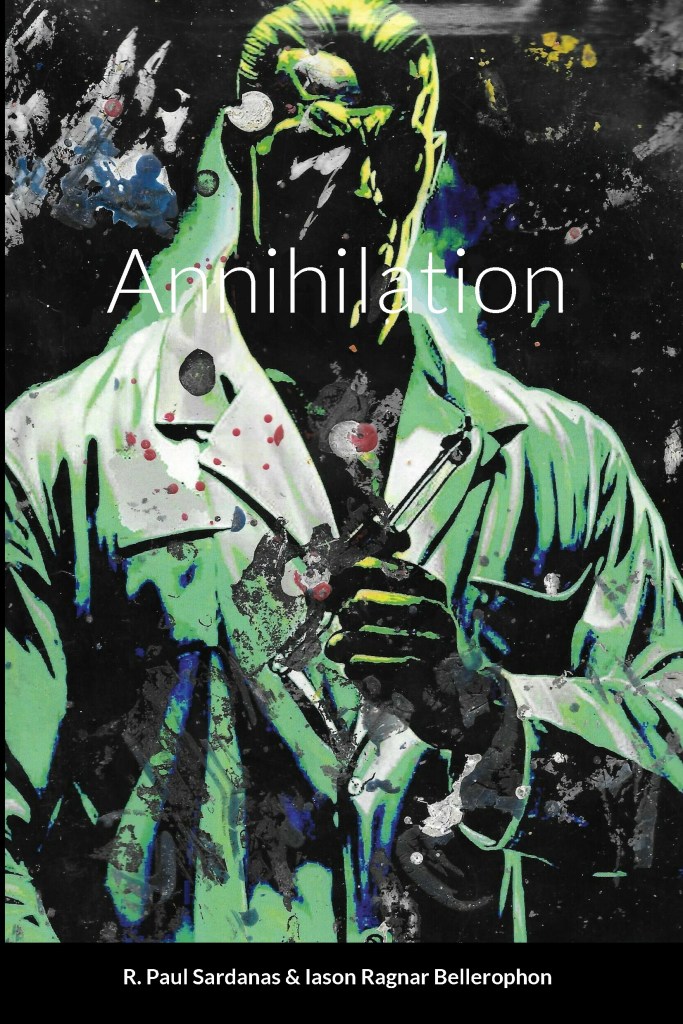
Annihilation (Doc Talos novel, with Iason Ragnar Bellerophon) 2023

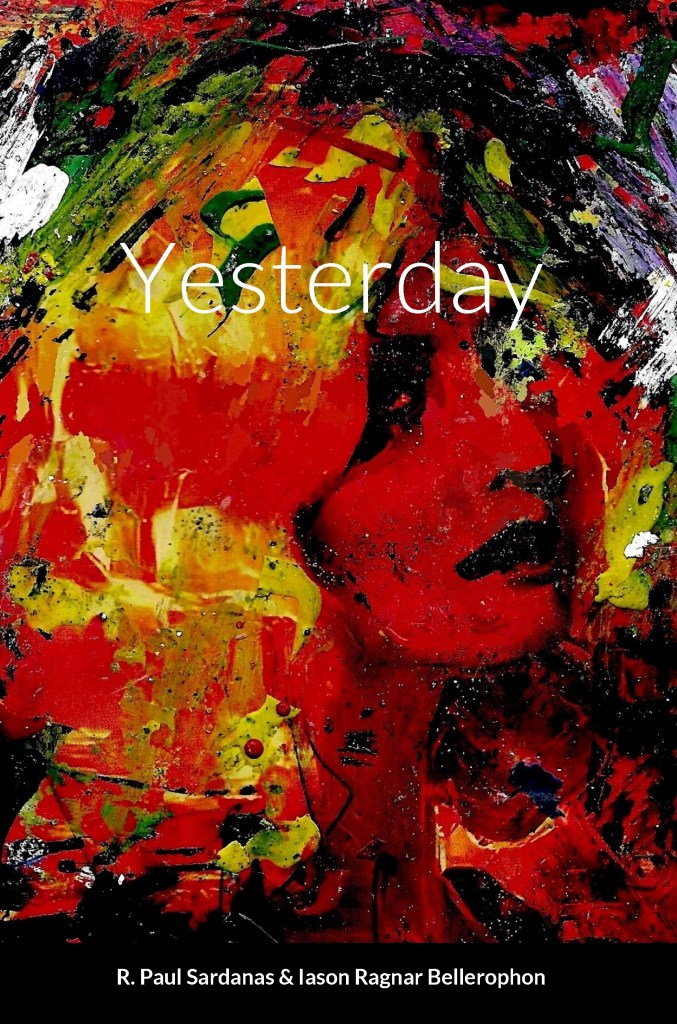
Yesterday (Doc Talos novel, with Iason Ragnar Bellerophon) 2023

Mona (Doc Talos character anthology, with Atom Mudman Bezecny, Andre Vathier and Grace Ximenez) 2023

Talos Chronicle Omnibus 2 (collection of five Doc Talos novels and two anthologies) 2023

Doc Talos Magazine #1 (short stories and novel serialization) 2023

Doc Talos Magazine #2 (short stories and novel serialization) 2023

Doc Talos Magazine #3 (short stories and novel serialization) 2024

Doc Talos Magazine #4 (short stories and novel serialization) 2024

Doc Talos Magazine #5 (short stories and novel serialization) 2024

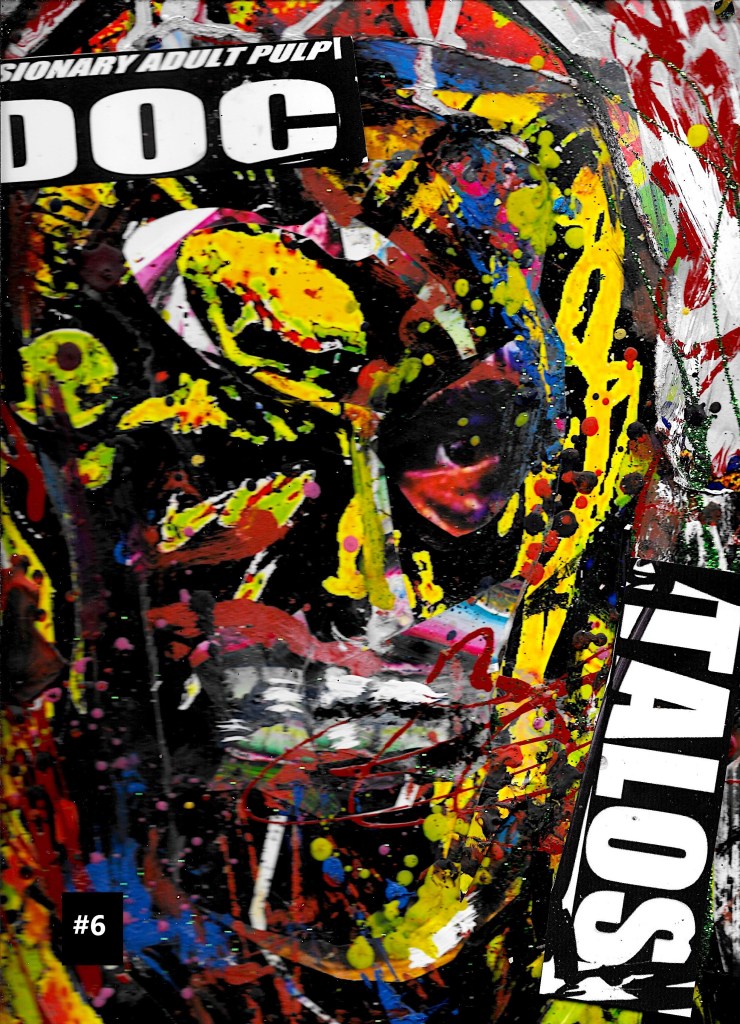
Doc Talos Magazine #6 (short stories and novel serialization) 2024

ANTHOLOGIES

Nox, Dark Poets Against Abuse (international philanthropy) 2006

Distant Passages (best SF poetry of 2007)

The Rhysling Award Anthology (seven consecutive years, 2006-2012)

FOREWORDS AND AFTERWORDS

Beat by Samantha Birch – Foreword (2008)

Detectives Inc Hardcover Collection by Don McGregor – Afterword (2009)

Detectives Inc: A Fear of Perverse Photos, A Repercussion of Violent Reprisal by Don McGregor – Foreword (2011)

Doc Brazen #1: Millennium Bug (second edition) by Jeff Deischer – Introduction (2021)

Doc Brazen #3 Acid Test by Jeff Deischer – Introduction (2022)

Operation Xanadu by Atom Mudman Bezecny – Afterword (2022)

Doc Brazen #6 Golden Opportunity by Jeff Deischer – Introduction (2022)

Stardust Memories by J.K. Scheider – Introduction (2024)

Secrets of the Nine Omnibus by Philip José Farmer – Introduction (2024)

The Day of Black Sunlight
The Empyrean
The Chaotica

Canons of Atheist Gods
Eros: The Divinity of Passion
Touch in the Bed of Light
The Festival of Seven Nights’ Passion
Legends of the Fallen Sky
THe City of a Thousand Gods
Ferrum: A Common Man’s Life in Ancient Rome
Mythology
Dark of the Sun
The Order of the Golden Rose
The Blood Jaguar
The Unbound Goddess
Beneath an Elegant Moom
Torera Poster
The Satomi Chronicle
Othello Falling
Hamlet: Poem Unlimited
Chasing Desdemona
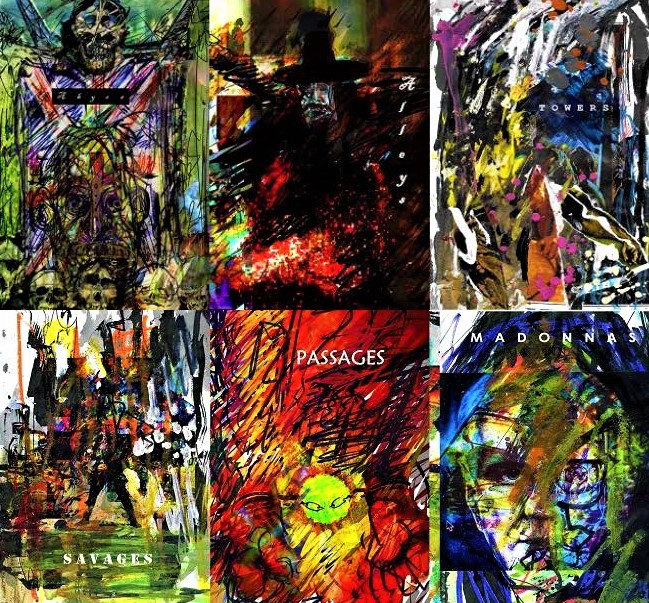
Six Volume Talos Chronicle
Doc Talos Esoterica
The Wife of the Summer Sun
Heart Fatale
We Are Connected by Invisible Links
Rickie
Wolves
The Talos Chronicle Omnibus
Fear
Fortress
Annihilation
Yesterday1
Mona
Omnibus #2: Talos Pulp
Doc Talos Magazine #1
Doc Talos Magazine #2
Doc Talos Magazine #3
Doc Talos Magazine #4
Doc Talos Magazine #5
Doc Talos Magazine #6

Two Holy Mountains: Philip José Farmer and Alejandro Jodorowsky

Turning back the calendar fifty years, it was an exciting time in society for pushing the boundaries of creativity. It’s hard sometimes to see a clear pathway to who influenced whom, particularly when many concepts are being channeled through a period of cultural extremes.

Two strong iconoclastic voices of that period were author Philip José Farmer and filmmaker Alejandro Jodorowsky. And there are intriguing parallels in their creations from the late 60’s into the early 70’s. Farmer, with his books A Feast Unknown (1969) and the double book The Mad Goblin/Lord of the Trees (1970) was both subverting and elevating the genre of pulp adventure fiction. Jodorowsky, with his films El Topo (1970) and The Holy Mountain (1973) was doing very much the same thing with some long-established film tropes, particularly the Western.

The direct antecedents for those creative works are easy to trace. Farmer, in an era when paperback revivals of pulp characters were enjoying great success, deconstructed and repurposed elements from traditional pulp fiction — the canons of the Doc Savage and Tarzan characters — and injected an edge of taboo-threatening sexuality and unsanitized violence into their thematic structure. Jodorowsky, at a time when the traditional Western was experiencing new success through the phenomenon of Sergio Leone’s “spaghetti westerns”, also brought a jolt to the genre with the inclusion of sexuality and unsanitized violence…and upped the stakes even further with elements of outlaw spirituality. Both were, by some critics, considered obscene. By other readers and viewers…boldly visionary.

The early chapters of Feast, with their bleak landscapes and unrelenting levels of conflict, greatly resemble the bleak landscapes and intensely violent encounters of Jodorowsky’s films. And both creators, Farmer and Jodorowsky, bring their characters to a “holy mountain”.

Farmer’s mountain is the Sanctuary of the Nine, where the secret rulers of the world, who possess arcane knowledge of eternal life, hold their most powerful rituals.

Farmer’s Nine, by Iason Ragnar Bellerophon

Jodorowsky’s Holy Mountain also features nine mysterious mystics who are purported to possess secrets of eternal life.

The Holy Mountain’s nine mystics

There are no easy answers to be found within either Holy Mountain. The acid-trip revelations in Jodorowsky’s work can be mesmerizing and disturbing. Though less hallucinogenic, the same is true in Farmer’s hammering narratives. Experiencing these books and films (“reading” and “watching” are words that are far too tame to describe the experience of immersing oneself into the creations of both men) can, and most likely will, leave you changed.

The period was one of fearless, powerful, intense and transformative storytelling. A half century later, it continues to inspire.

Painting into books: the creation of readable art

The overwhelming majority of books fall into formats and categories required for mass production. Novels are unbroken pages of text, with the occasional prestige edition that includes either color plates or line illustrations…graphic novels, with few exceptions, follow the sequential panel/word balloon/caption formula. Art monographs display large visuals accompanied by usually terse descriptions or title/history information.

I’ve always been attracted to books that break out of those formulas to create an experience that feels new. That was the ambition for the Talos books, and the creative process that went into them was equally unconventional. Independent streams of creation became blended and then symbiotic.

Iason Bellerophon doesn’t just paint artwork for books, he literally paints on the books themselves. The Talos books went through multiple phases, from story-writing (in longhand, transferred to typed text…a rarity in today’s world, I refer to it as “the Lovecraft method”, in honor of HPL’s handwritten manuscripts for his stories. It allows me to write in very odd places…generally with my back propped against a tree in the woods or a park) to selecting images from Iason’s huge output of drawings and paintings and digital art, to placing them into a typed manuscript, to delivering that manuscript as a printed workbook to Iason…which he then paints directly onto. Those are scanned, rebound into a new workbook, and Iason paints into that one too, expanding and enriching the melding of text and image. On and on the process goes, through phase after phase, draft after draft, until what is to me a mesmerizing hybrid of novel/graphic novel/art monograph emerges.

This is the format of the Talos books. It’s hoped that by breaking apart the traditional boundaries of book publishing we can offer a unique, visionary, exciting and visceral experience to the reader.

Here is Iason, in his New York studio, leafing through the pages of one of those painted books.

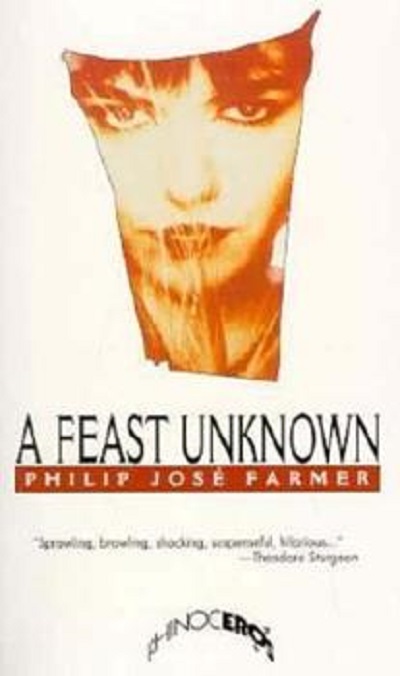
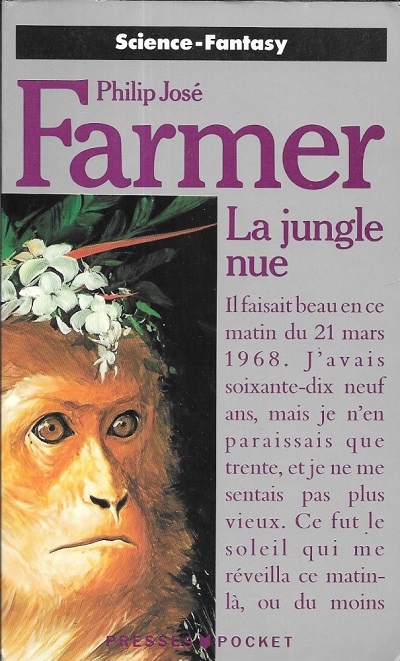
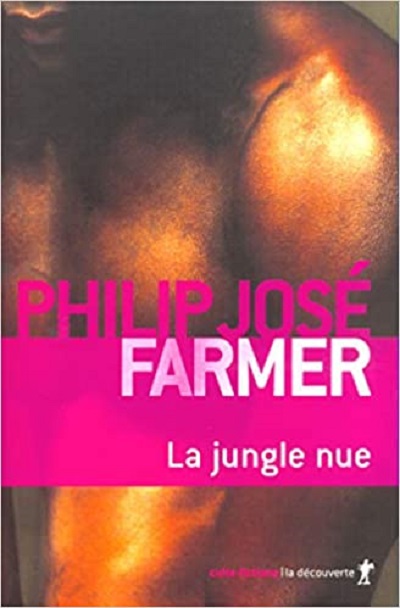
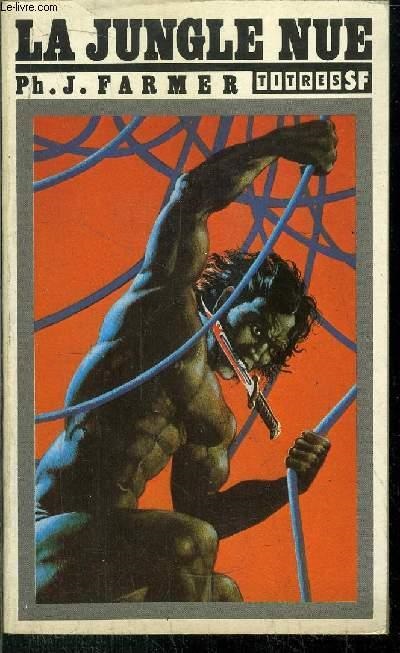
A Feast Unknown cover art through the decades

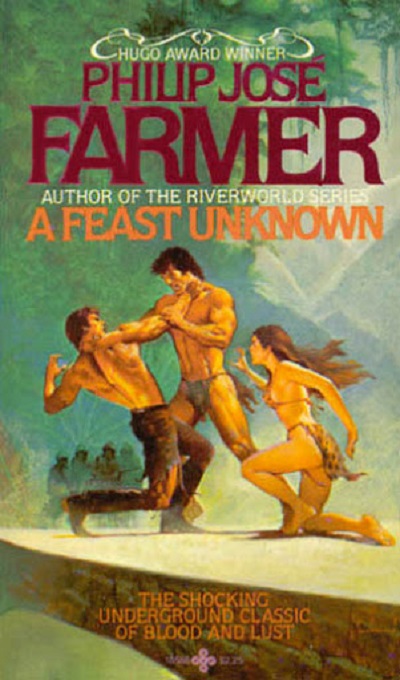
There have been a lot of editions of Philip José Farmer’s A Feast Unknown novel through the years since it was first published over fifty years ago. Because of the intensely visceral quality of the story, it offers a wide range of approaches for publishers to take in presenting it, from restrained to lurid.

Prior to our joining together to create Doc Talos, Iason Bellerophon had slowly been preparing a wordless graphic novel version of Feast, for which he designed this cover:

It would, essentially unchanged, ultimately become the wraparound cover for the first volume of the Talos saga, Abyss.

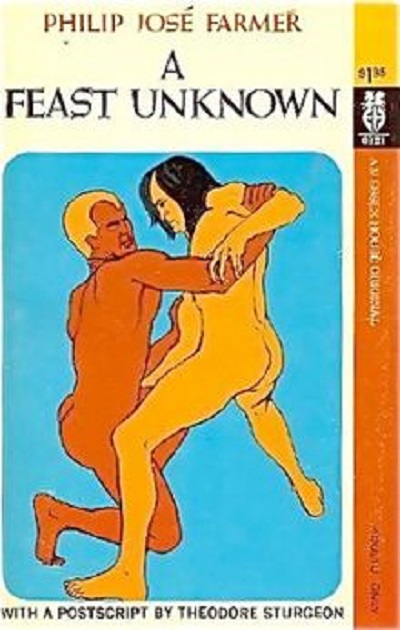
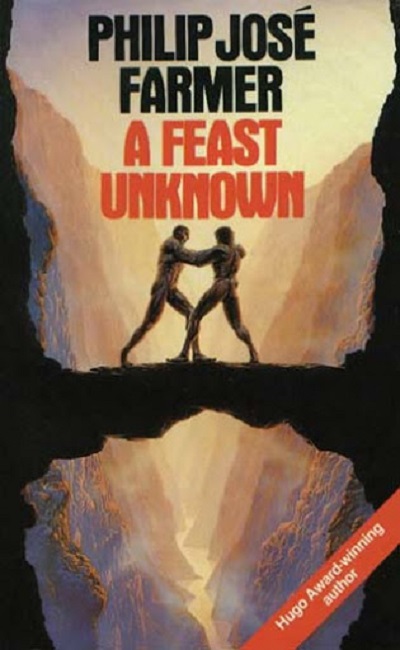
In 1969, the first edition paperback of the novel from Essex House, which billed itself as a “quality pornographic” publisher, featured two nude figures — Doc Caliban and Lord Grandrith — grappling with one another in a somewhat classical pose.

That basic design proved very popular, and has been essentially repeated over and over by many other publishers.

The Playboy Press edition added a sexy woman to the mix (not an unexpected development from that particular publisher), but made the bizarre error on the back cover text blurb of naming the setting for the story as the wrong African country.

One of the most accurate depictions of an actual scene from the book is this painting by Peter Elston, which shows Caliban and Grandrith grappling on the narrow stone causeway of the Nine Sanctuary.

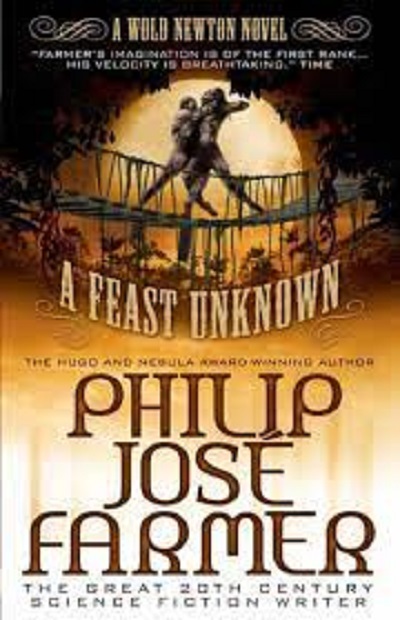
By contrast, the most recent edition, from Titan, echoes the depictions of the bridge fight (though placed on a rope bridge), framed in jungle foliage, in moody sunset colors.

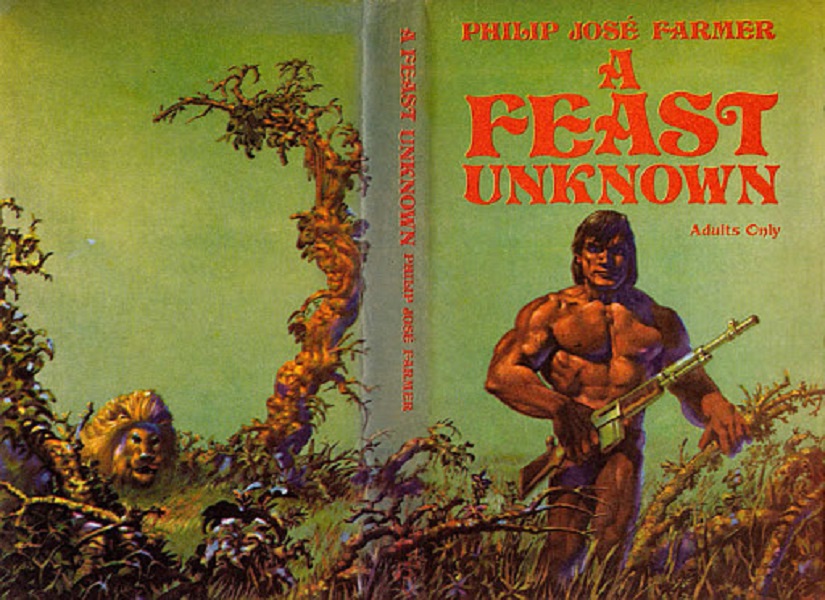
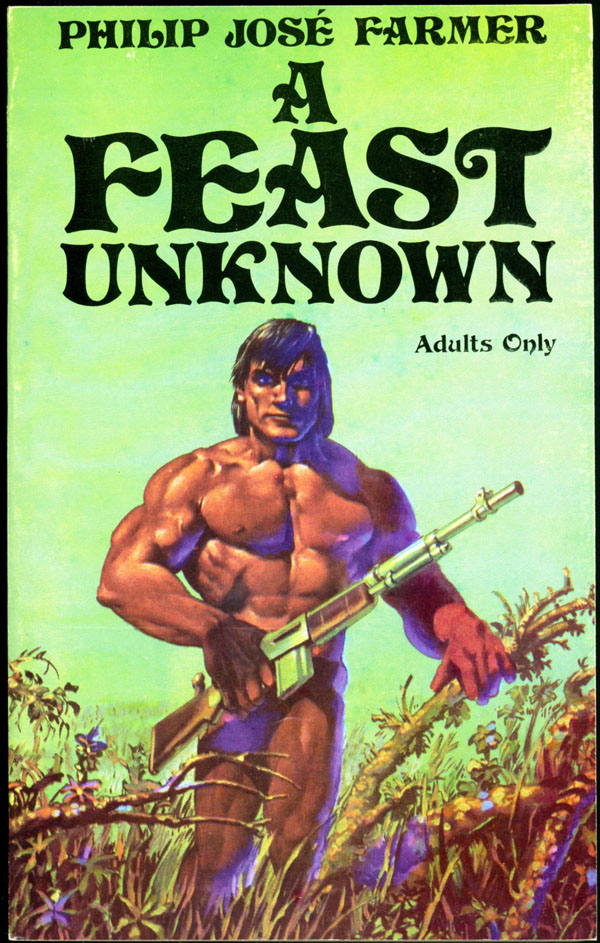
The 1975 Fokker edition pioneered a wraparound, minimal-text approach, with a painting by legendary underground artist Richard Corben.

And there is the strange design of the Rhinoceros edition (another “prestige eros” press), which shows a woman’s face displaying an intense feral gaze, but not representing any character from the novel I can recognize.

French editions of the book have been interesting, quirky, and provocative. One very odd one shows the benign face of a female ape (and it gets even odder…the full image is of the same ape dressed as if for a wedding).

Swinging to the other end of the scale, another references the homoerotic tone within the narrative, using a striking body-image of a powerful man.

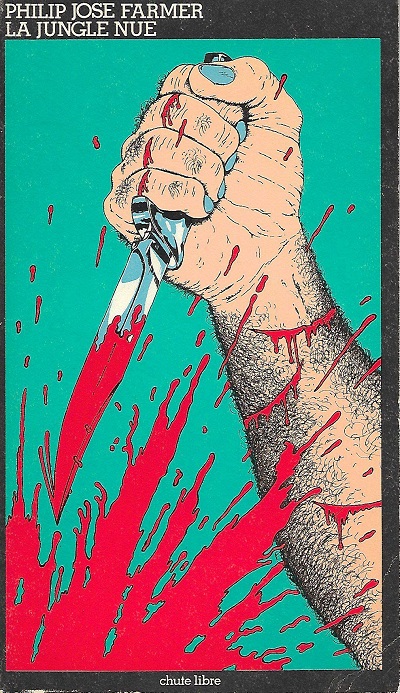
Then there are French editions that use intense blood-scenes and violent poses to depict the often over-the-top violence of the narrative.

The French presentation of the book’s title is interesting in and of itself, translating to “The Naked Jungle”.

The variety and often fevered intensity of the cover history for Feast is quite unique for a book that has, for much of the half century-plus since it first appeared, possessed an underground, outlaw edge.

January 2024 update: There will soon be a new, comprehensive edition of “A Feast Unknown” (published in a single omnibus edition with “The Mad Goblin” and “Lord of the Trees”), coming from Meteor House! The book’s Introduction has been written by Doc Talos co-creator R. Paul Sardanas. Cover art by Douglas Klauba will soon be added to this post. The new Secrets of the Nine Omnibus can be pre-ordered here:

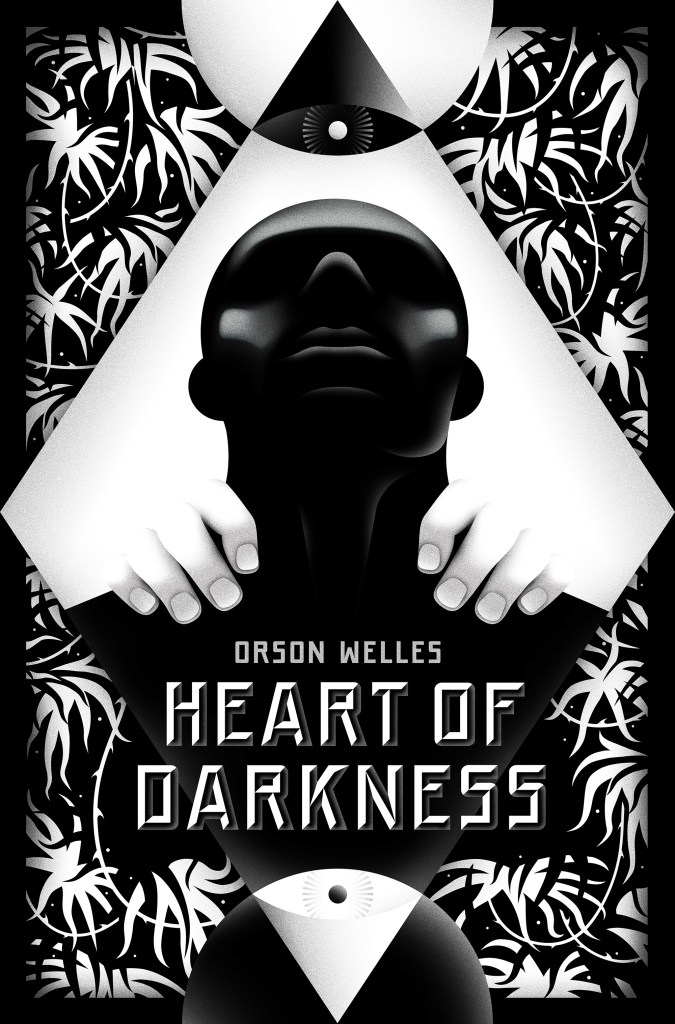
Orson Welles, Heart of Darkness and the Talos Saga

One of Hollywood’s most intriguing legends is “the greatest film never made”, Orson Welles’ proposed movie adaptation of Joseph Conrad’s Heart of Darkness. It was intended to be Welles’ first picture for RKO, pre-dating Citizen Kane.

Welles adapted and starred in a Heart of Darkness CBS Radio broadcast in 1938 as part of his series, The Mercury Theatre on the Air. In 1939, he proposed the project as a film for RKO Pictures, going so far as to write a screenplay with John Houseman. Welles intended to play Marlow and Kurtz, and it was to be filmed entirely as a POV from Marlow’s eyes. It is believed that Welles created a short presentation film illustrating the theme and concept. It has been reported as lost to history. The film’s prologue to be read by Welles said “You aren’t going to see this picture – this picture is going to happen to you.”

In the Talos saga, this “lost” film appears twice, and both the mystery and malevolence of its creation are explored in pulp-heightened fashion. In the short story Violent Night, it’s revealed that Welles traveled to the Congo to film his short presentation film…an expedition actually controlled by the woman known as Ruha, “Archdemoness” of the Gnostic Archon cult, around which the Talos saga revolves. The lost film is later shown in Berlin in the early part of World War II…and it is revealed to be a literal, visual murder weapon. Anyone who views it, dies.

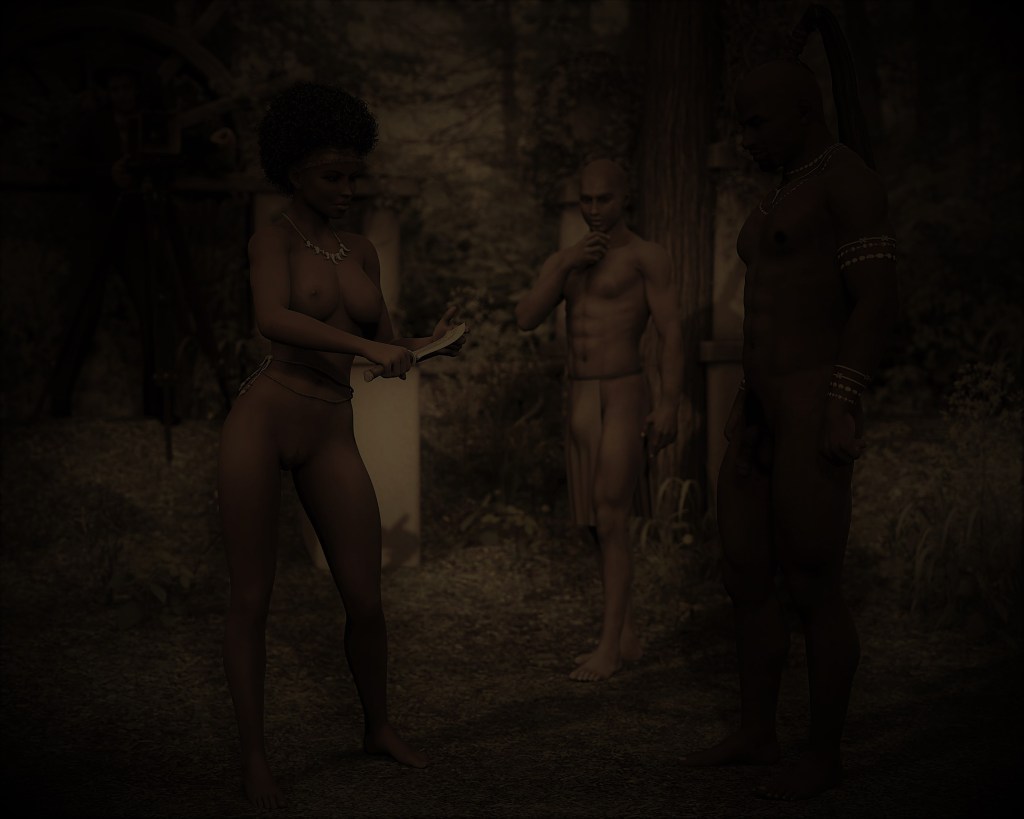
The second time the film appears is in the story The Darkness of Yesterday, where the story of its creation is presented head-on. Illustrated by Polish 3D artist fugazi, it graphically and explicitly depicts an erotic death ritual, with Welles himself barely surviving the experience.

The Cast of “Heart of Darkness” – art by fugazi
The “Heart of Darkness” ritual begins – art by fugazi

With the “forbidden pulp” theme of the Talos stories, it was a natural to adapt this tantalizing Hollywood legend into a mind-blowing depiction of its dark mysteries…literally embodying Welles’ prologue in new form: “You aren’t going to read this story – this story is going to happen to you.”

James Bama and Jason Bell

Aside from the rather remarkable synchronicity of both initials and letter-counts in their names, American artists James Bama and Jason Bell (AKA Iason Bellerophon) would appear to be polar opposites. Bama, a photorealistic painter…Bell, a visionary abstract painter. And yet both have formidable reputations both in fine art and in popular genre art. Neither is a stranger to prestigious art galleries, but Bama’s art has graced men’s magazines, toy boxes, and the realm of somewhat-lurid paperback covers…while Bell has drawn comics (including his own Cavemanrobot series), has created his own line of toys from his characters, and has his own share of somewhat-lurid works.

Bell is of course the co-creator of Doc Talos, while Bama is the most celebrated of all Doc Savage cover artists. Perhaps it was inevitable that in the course of visually conceptualizing the Talos stories, Bell would find inspiration from Bama.

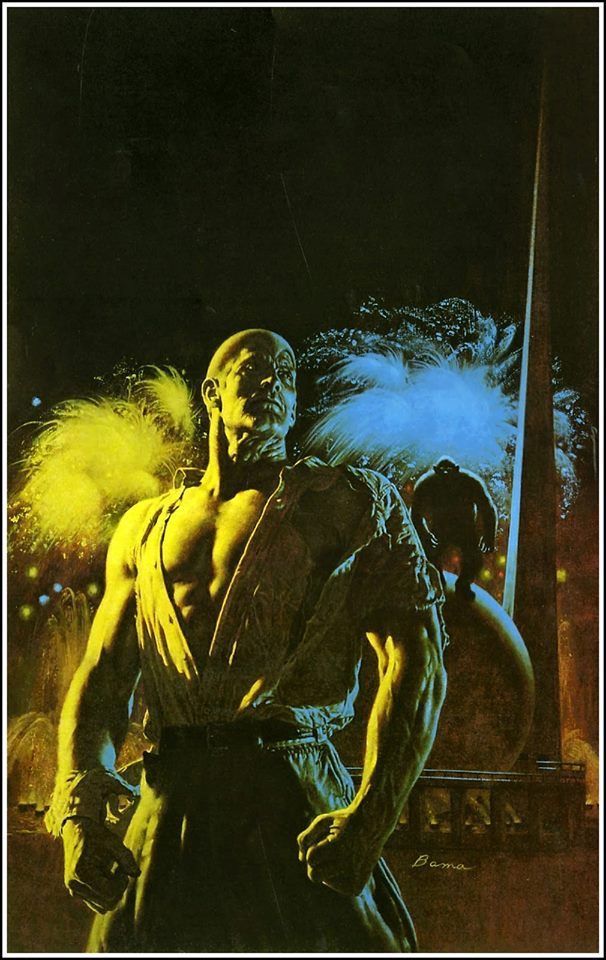
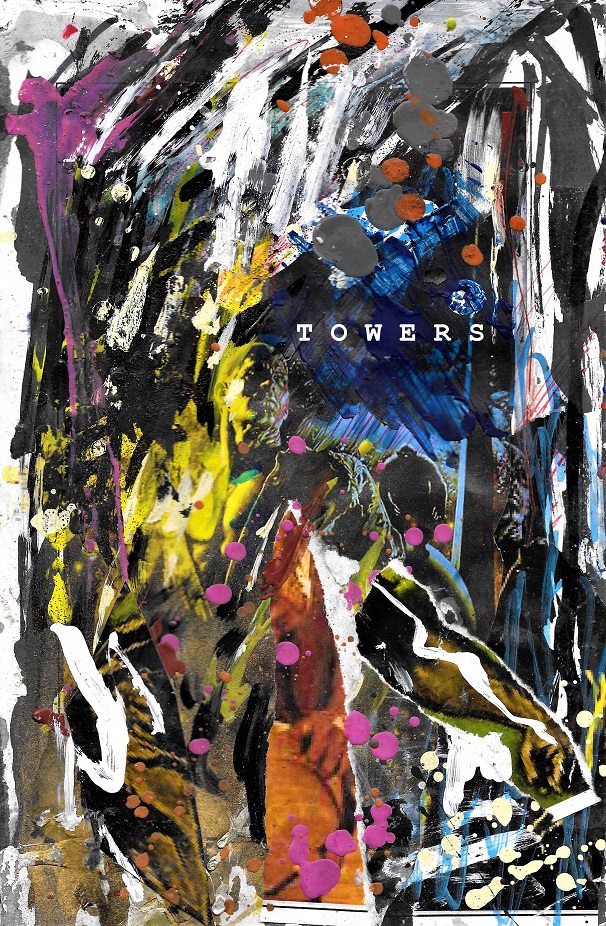
Throughout the stories, in the form of collage, Bama images find new hyperkinetic life as fragments of paintings that illustrate the Talos books. Some are like tiny hidden treasures…it takes a lot of looking to find them. Others are much clearer, as in the transformation of Bama’s classic “World’s Fair Goblin” artwork into the cover for Vol. 3 of the Talos chronicle, “Towers”.

“World’s Fair Goblin”, by James Bama
Cover art for Doc Talos Vol 3, “Towers”

Bama and Bell…two remarkable creators who prove that fine art and pulp art share a great kinship.

Richard Corben, A Feast Unknown artist, 1940-2020

The previous claimant to the phrase “The Ultimate Forbidden Doc Savage” when it comes to the combination of writing and art, would certainly be the 1975 Fokker D-LXIX Press (A Subsidiary of Acme Zeppelin Co.) edition of A Feast Unknown, with illustrations by Richard Corben.

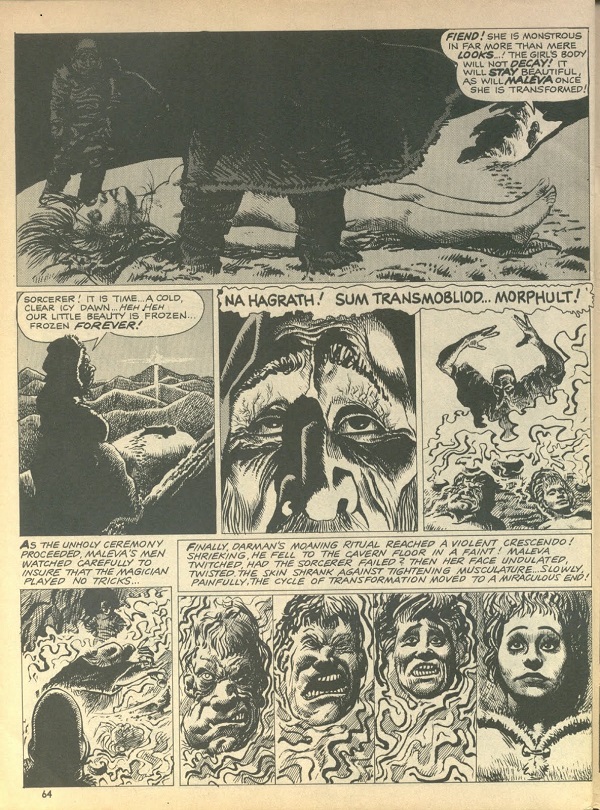
I encountered the art of Richard Corben in my teens, in Creepy, one of the Warren black and white horror magazines…a little story called Frozen Beauty, which was equal parts erotic and grotesque. I was at boy scout camp, and the magazine belonged to one of the older boys. Even that was “forbidden” stuff…he hid it under the mattress of his bunk in our communal tent, and I peeked at it when no one else was around.

Later on he used the magazine to start a campfire, and I watched it burn with an intense feeling that a treasure — a guilty-pleasure gem — was going up in flames. But very little is ever forgotten in a writer’s life…as a reader I would encounter the themes of sexuality/extended life again in Farmer’s Feast…and as a writer I continued to take them out onto a new razor’s edge in the Talos stories.

Much later I would learn that Corben had painted artwork for Farmer’s Feast, and I could not imagine a more appropriate choice of artist to depict the over-the-top primal eroticism and violence of that novel. When I finally found a copy of the book (its outlaw status further enhanced by the outlandish name of the publisher), I was not disappointed. The only time the anatomically correct qualities of the main characters was artfully muted was on the cover, where a large rifle screens Lord Grandrith’s no doubt similarly proportioned phallus.

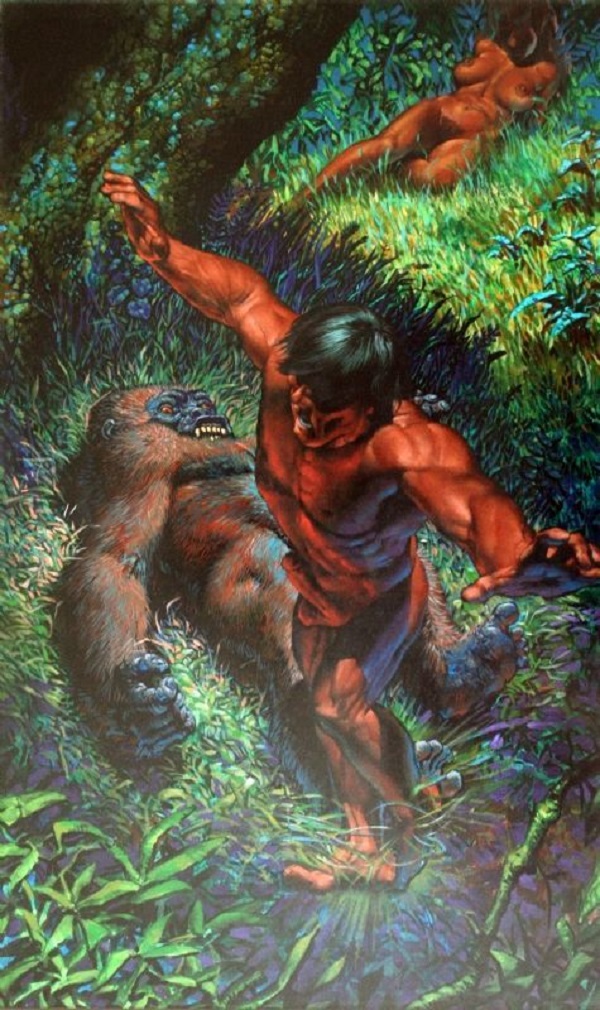
Inside, the paintings were a fever dream of frenzied sex and death.

Lord Grandrith (AKA Tarzan), Trish Wilde (AKA Pat Savage), and Leopard-Breaker
Doc Caliban (AKA Doc Savage), Porky and Jocko (AKA Ham and Monk)

Richard Corben passed away a few months ago, at age 80. He was a huge inspiration to both Iason and myself…and his contribution to “forbidden Doc Savage” lore 46 years ago is the stuff of pulp/literary legend.

A Feast Unknown On Stage

The article below, written by Jason Robert Bell (AKA Iason Ragnar Bellerophon) appeared in issue #2 of the Philip José Farmer fanzine Farmerphile, back in 2005. Ten years later R. Paul Sardanas acquired a copy of it, and it became the catalyst for the author and artist to join forces in the creation of Doc Talos. Many of the artworks shown in the article appear, in greatly enhanced fashion, in the Talos books.

The article relates the experience of creating the stage presentation of Farmer’s A Feast Unknown at Brooklyn’s Brick Theater…an audacious project indeed.

The Woman With Golden Eyes

One of the most important figures in the Talos stories is Patricia…who of course is based on Pat Savage, as well as Phil Farmer’s incarnation of Pat, Trish Wilde. My favorite Doc Savage adventures were always the ones with Pat…and she appeared in 39 novels over the span of the pulp run.

When the time came to craft my own version of Pat, I played with various nicknames using Patricia as the origin, and found myself greatly attracted to Rickie, which seemed to capture her natural warmth and impudence very well. So Rickie Talos she became, and she is far more than a decoration in these stories, she is an integral part of them.

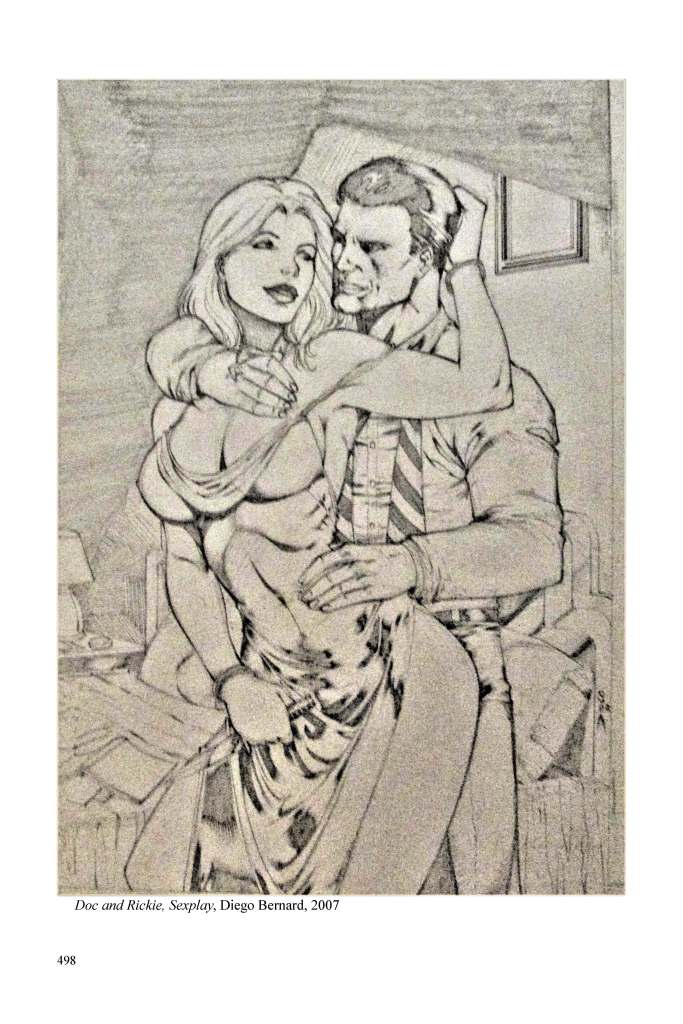
In the immense collection Doc, there is an addendum devoted to her, which I’ll reproduce in full here, along with some marvelous commission art by David Cuccia, Diego Bernard, and Steve Rude. The artwork from the 1970’s Marvel adaptation of Death in Silver is by Ross Andru.

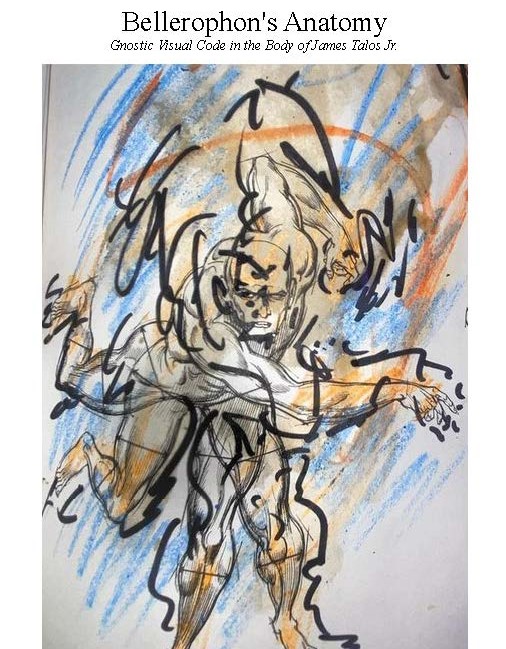
Bellerophon’s Anatomy – Visual Code in the Body of Doc Talos

The concept of the body as a vessel for mystical energies is by no means new – it’s been a theme in wildly varied forms of belief for thousands of years. In the Doc Talos saga, occult undercurrents are constantly coming into conflict with those of hard science…from early researches into genetics in the Victorian era, on through the ecstasies and ravages of power and identity experienced by both “primal men” in the stories, Doc Talos and Lord Grersoun.

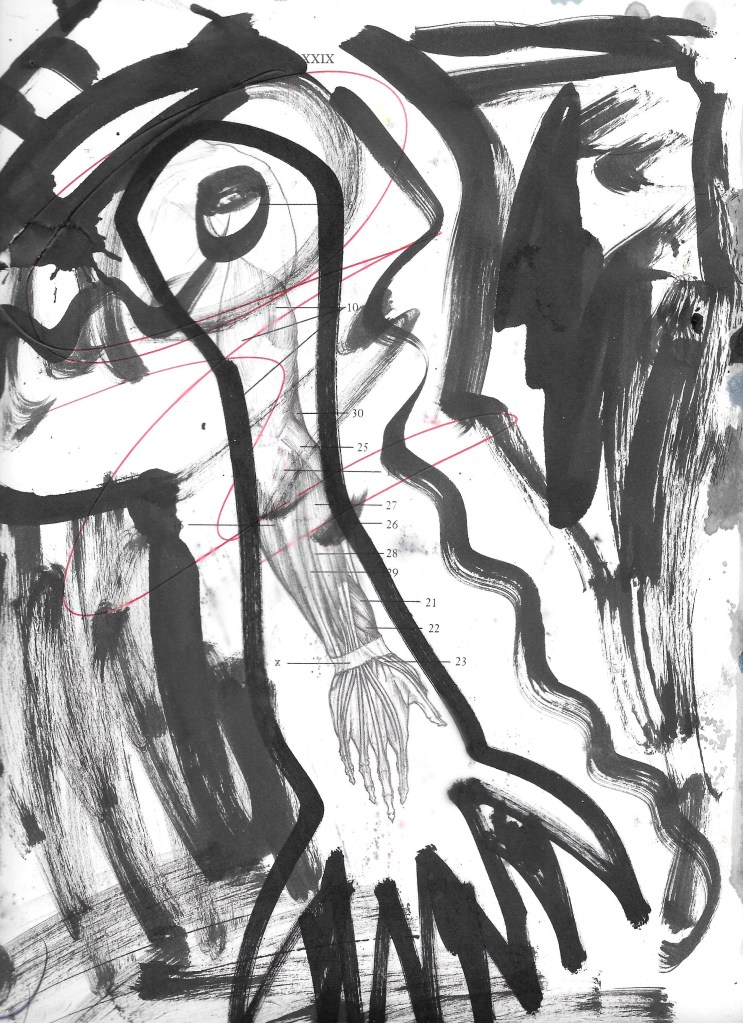
The theme is explored visually in a series of artworks by Iason Bellerophon. A portfolio of idealized, perfect anatomical drawings is overlaid by kinetic abstract imagery, drawing on the essence of both science and mysticism to depict the mystery of divine codes in the human body.

Available soon for electronic download, dozens of Bellerophon’s anatomical extrapolations are being collected into a visual codex of the physical marvel that is the man of bronze.