I recently had the opportunity, and was delighted to provide, an Introduction to the newest Doc Brazen book, which is #9 in the series.
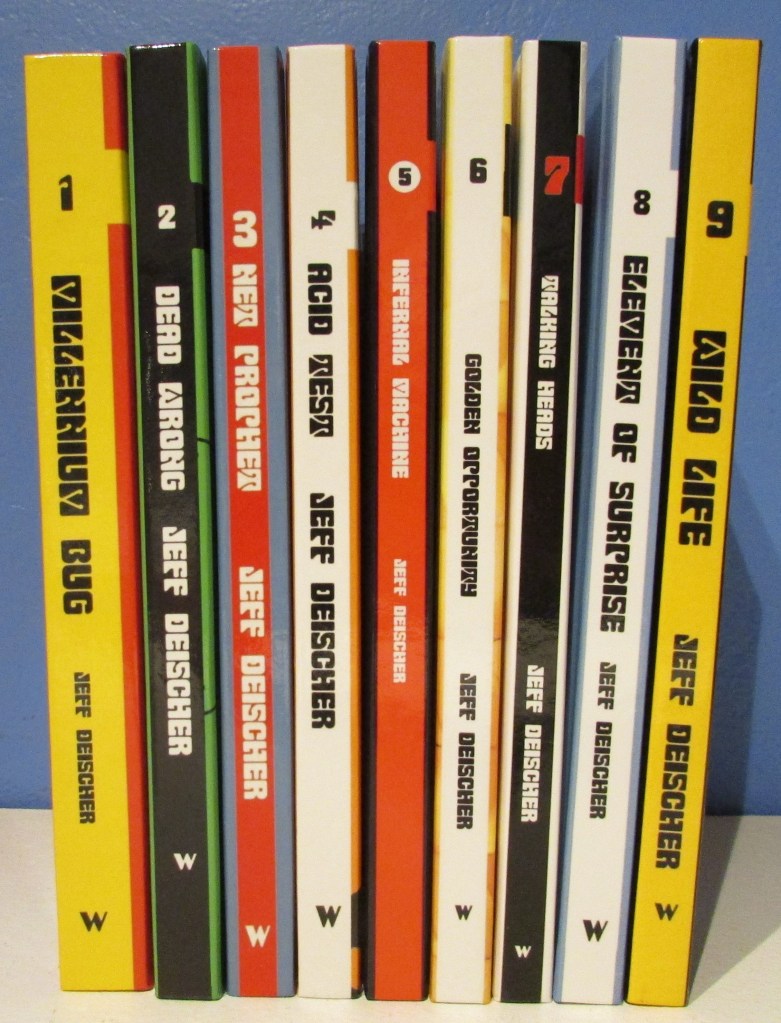
Many more Brazen books (all by author Jeff Deischer) are to come, but seeing these nine together gives them the weight of a developing epic, which is a remarkable accomplishment. Ulysses Brazen is a pastiche of the classic pulp character Doc Savage, and the stories present him as an older man, at right around the turn of the 21st Century. For fans of the original Doc, it’s a splendid opportunity to see the themes and legacy of this iconic character carried forward to the near-present.

Credibly aged, he is still a powerful, charismatic figure, and the adventures of this series both honor and more deeply develop the history of the original Doc. All of the books are available on Amazon, and can be explored at this link:
The Doc Brazen Collection (and other novels)
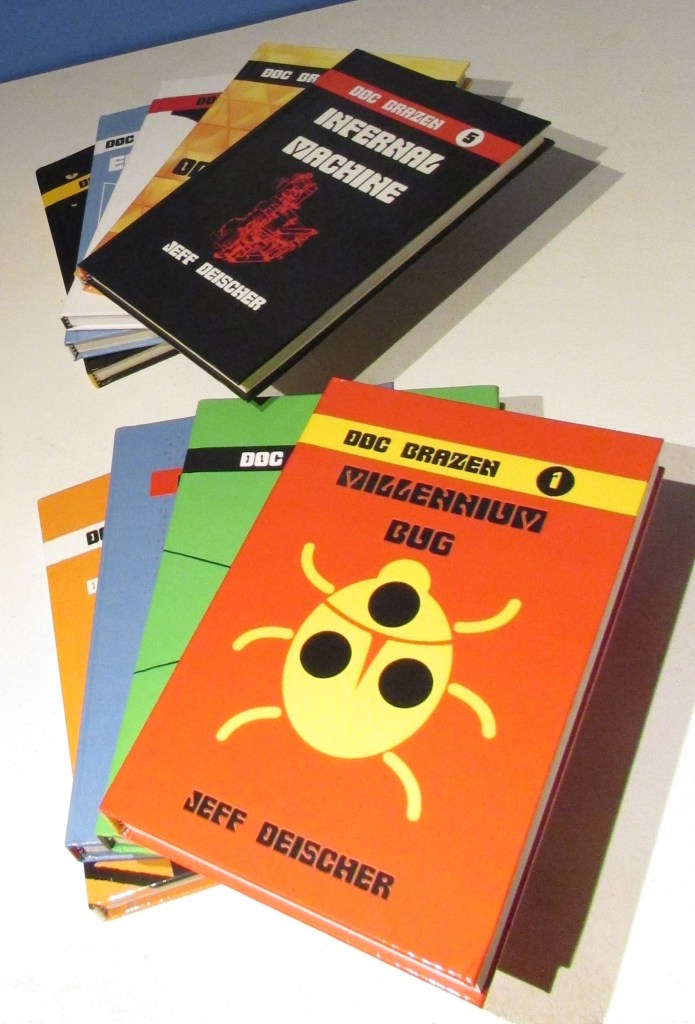
Here is the Introduction to Wild Life.
Popular literature – pulp literature in particular – feels as if it has reached a crossroads here in the 2020’s. One of many that have been passed across the decades. The character of Doc Savage stands out particularly in this regard; he debuted in 1933, ninety years ago. Through the Great Depression the Doc Savage pulp magazine was a flagship of heroic fiction, and Doc himself was a cultural icon. He embodied many things emblematic of that place in history…hope in a time of deprivation perhaps above all, with the resounding answer to hard times being drive, intelligence and compassion. Powerful underpinning to an adventure series.
World War II was a time of great change in the pulp zeitgeist, and Doc Savage reflected that. Less an “angel of technopolis” who could right great wrongs through personal, individual agency, he became part of a national effort to bring the massive destruction of that conflict to an end.
After the war, the immense upheavals seemed to have tired the world out to a degree, and once again Doc Savage evolved, the stories becoming smaller, the characters and themes more grounded in a landscape quite a bit less Promethean.
Then the pulps ended…and when the Doc Savage stories began their second renaissance in 1964, there was a mingling of nostalgia and a feeling that the world of thirty years prior had an appeal based on the very clarity of good and evil, right and wrong that was becoming more blurred all the time in everyday life.
After their heyday in the Sixties, the Doc Savage paperbacks began a long, slow decline in popularity…the reprint series sputtering at times, until it lurched, a bit unsteadily, to completion of the reprint run. For another couple of decades, new stories appeared in the form of books inspired and informed by the unpublished ideas of primary pulp author Lester Dent. But no real effort was made (outside of a number of wildly inconsistent comic book series) to actually continue the stories beyond 1949.
More decades…filled with what seemed to me a constant yearning to re-live the spirit and adventure of the past tales. But that environment of running in place while looking backward can only go on for so long, before it becomes tired.
And that is sad.
The pulps as a whole still hang on in persistent nostalgia as that second generation of readers hits its own retirement age…but the crossroads mentioned earlier no longer feels like something in the distance. It’s right here, beneath our feet.
Exacerbating this, the copyright owners of the original Doc character feel as if they have become something of a blind monolith, clinging to memories of big profits from the glory years, but completely lacking in emotional investment in the ideals and characters that generated so much loyalty and enthusiasm across the better part of a century. Last year saw a “revival” of the series by those copyright owners, which to me, succeeded only in hammering home the point that the corporate mindset is now set in stone. The new “Doc Savage” exists in name only, jammed into a generic 21st century thriller that could easily change the name of all its characters and have nothing to do with the rich legacy of what had come before.
That’s also sad. So many of us find ourselves emotionally invested in the dreams inspired by fictional characters we come to love.
However, there is solace. Standing there at the crossroads with us are Jeff Deischer and Doc Brazen.
This book, Wild Life, brings to the fore many of the best qualities of the Doc Brazen series. One thing that Lester Dent excelled at, was precipitating unique and colorful antagonists and supporting characters into vivid life. They provided a counterpoint to the series’ continuing cast, helping every new adventure to feel fresh. Wild Life spotlights a diverse group of scientists entangled in a deadly mystery, and it’s a treat to watch each move in and out of the spotlight – some to become victims, others under suspicion. And another hallmark of the original pulp stories was the theme of superstitions or “weird science” given a credible feel, which this story also achieves adeptly. And though I won’t provide a spoiler, a deceptive teaser used in what are now iconic images from both the pulp and paperback series is finally brought to fruition, in one of the most stirring fight scenes I’ve had the pleasure to read.
As this series continues, building and building in book after book, it welds itself over the fractured gap that opened in 1949, crossing the succeeding decades into the world of today. Deischer clearly loves every link of the long literary chain that brought “Doc” into our cultural consciousness. He deftly weaves history from the pulp era into every story, without it becoming an exercise in repetition or those hungry twinges of sadness mentioned before, when something much-loved begins to fade. In his milieu of the end of the 20th century, Ulysses Brazen, Jr. feels fully alive, with fifty years of personal history and growth since the last pulp tale incorporated into his persona. Of course it is pastiche, as the names and settings of the original are stubbornly clung to by entities that no longer truly care. But this is indeed Doc…so much so that when I revisit those originals now, I find myself doing a mental swap of Savage into Brazen, Hidalgo into Coronado.
And so the melancholy of losing a fictional companion in the adventure of life fades.
The hope that Doc embodied – the inspiration that we can, if we care, make a difference – is a quality as much needed today as it was in the dark years of the Depression, when he was born.
I’m grateful that he’s still here, in each new book from Jeff Deischer’s pen.
 Doc Talos
Thank you so much!
LikeLike
It’s a genuine pleasure. These books have renewed so much of the enthusiasm and excitement I felt when exploring the long run of original Doc pulp stories, and I’m pleased and grateful for each one of them.
LikeLike
It’s very gratifying to hear that. I think that’s why I write, generally, to relive the feelings I had when I started reading 50 years ago, and it’s nice to know I can do that for readers, too.
LikeLiked by 1 person